How Nauru Builds Sporting Champions
Nauru has a sporting culture that has produced international champions and left much larger nations wondering how they do it. The secret it turns out, isn't a secret at all. It’s visible every day – on shared courts, in small family-owned boxing gyms, and along running tracks cut into the island’s natural landscape. In Nauru, sport is a product of community.
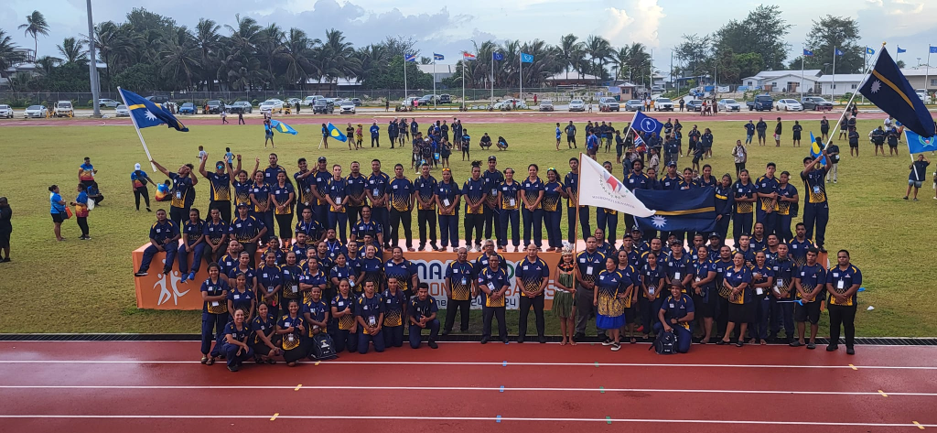
Nauru’s most recognised international success has come through weightlifting, where athletes have competed at events such as the Commonwealth Games and collectively won 31 medals. These results haven’t come from elite facilities or major funding programs, but rather from a deeply embedded grassroots system where training is informal, consistent and community driven. Sport is not a scheduled task, it is woven into daily life.
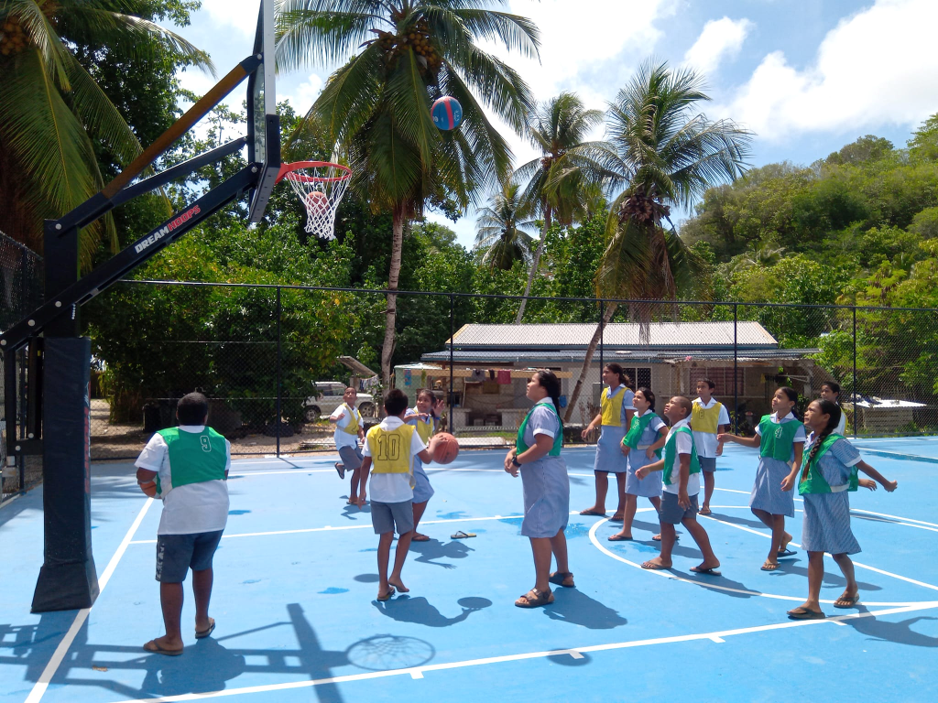
Across the island, there is always a game, a match, or a session underway. Basketball courts are effectively social hubs, where games begin after school and continue into the evening. Players can rotate in and out freely, with children, teenagers, and adults sharing the same space. There aren’t any barriers to entry, a ball, a hoop and a group of people are enough. This accessibility is a key reason participation is so high – it is open, immediate, and social.
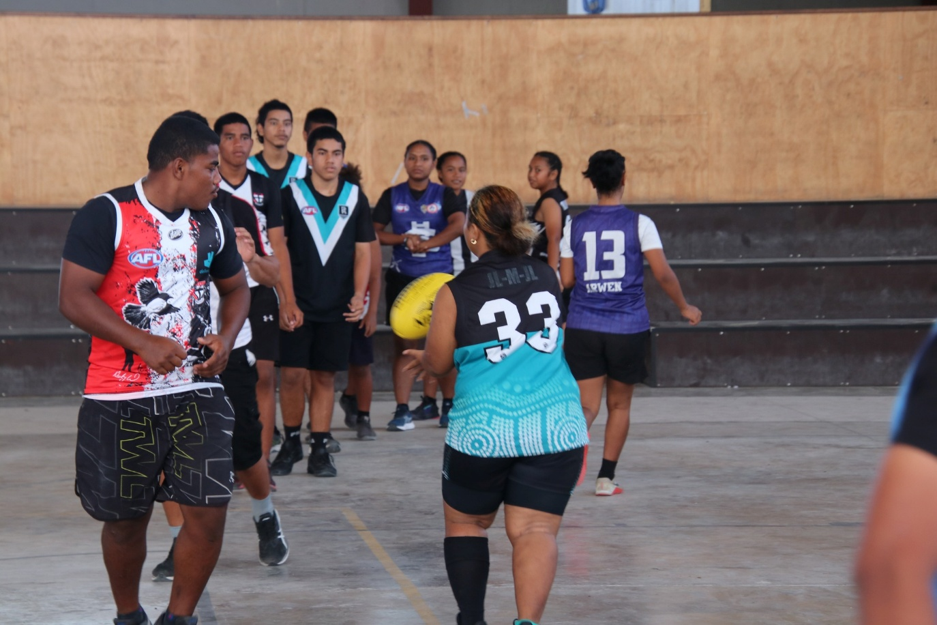
Australian Rules Football has also become a strong part of Nauru’s sporting culture. Six clubs compete in the national competition, but the structure only explains part of its reach. According to Wylie Detenamo, President of AFL Nauru, participation is driven by community momentum rather than formal recruitment, “Any time we get the chance to play, people just come. You just need to put up a Facebook post saying there’s a game on, and young boys will show up ready to play.” The response reflects a culture where participation is instinctive rather than organised.
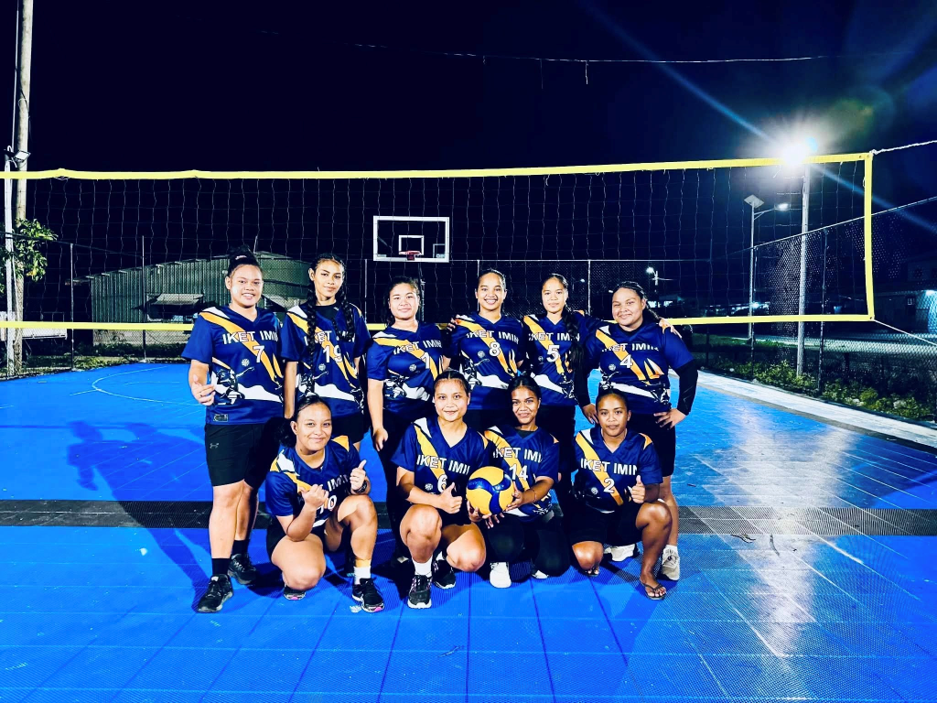
Volleyball is another key sport, with regular local competitions linking districts and giving young players early exposure to structured play. Fixtures, highlights and player edits are widely shared through social media, which has become an important tool for coordination and visibility. It keeps teams connected and ensures games are community events rather than isolated matches.
Boxing clubs are also a significant part of youth sport on the island. They provide structured training in environments that are still accessible for anyone to join. For many young athletes, these clubs offer discipline, mentorship, and a clear sense of community.
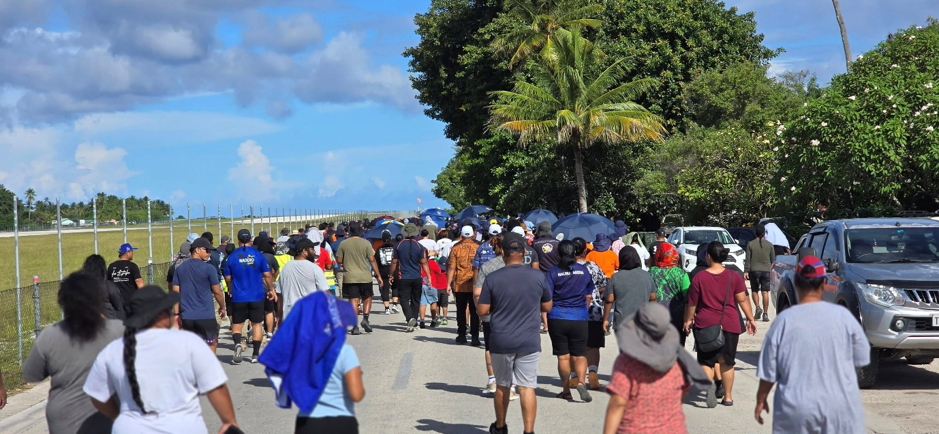
Running and fitness activity has also expanded in more informal ways. The Nauru Milers Run Club is a recent addition, open to all ages and fitness levels. Participation is driven less by competition and more by routine, people showing up to move and catch up together. Initiatives such as the newly launched Public Service Weekly Health Programme, which encourages walking or cycling around the airport strip each Friday, has further turned everyday spaces into shared fitness environments.
Nauru continues to produce athletes who compete internationally, not because of large-scale investment, but because participation is normalised at every level of society. The system is not built around elite pathways – the community itself functions as the pathway.