The Island Called Naoero
The story of Nauru’s name stretches back centuries, tracing the island’s language, culture, and encounters with the outside world.
Under President David Adeang, the government has proposed a constitutional amendment to restore the nation’s traditional name, Naoero – a move reflecting a growing desire to reconnect with Nauru’s cultural roots. While still under consideration, the proposal has sparked fresh curiosity about how the country came to be called Nauru and the layers of history embedded in its names.

The island’s original name, Anáoero, translates as “I go to the beach.” Far from a simple phrase, it captures Nauruans’ deep connection to their island and environment. For generations, the land and sea have shaped daily life. From sourcing food and maintaining livelihoods to cultural traditions and community gatherings along the shore. The name offers insight into how the island has been understood, and cherished by its people.

As outsiders arrived, the name evolved. “Nauru” developed from Naoero, adapted to suit foreign pronunciation. As President Adeang has noted, this change was not a matter of local choice but of convenience for visitors. Over time, “Nauru” became standardised in maps, documents, and international discourse.
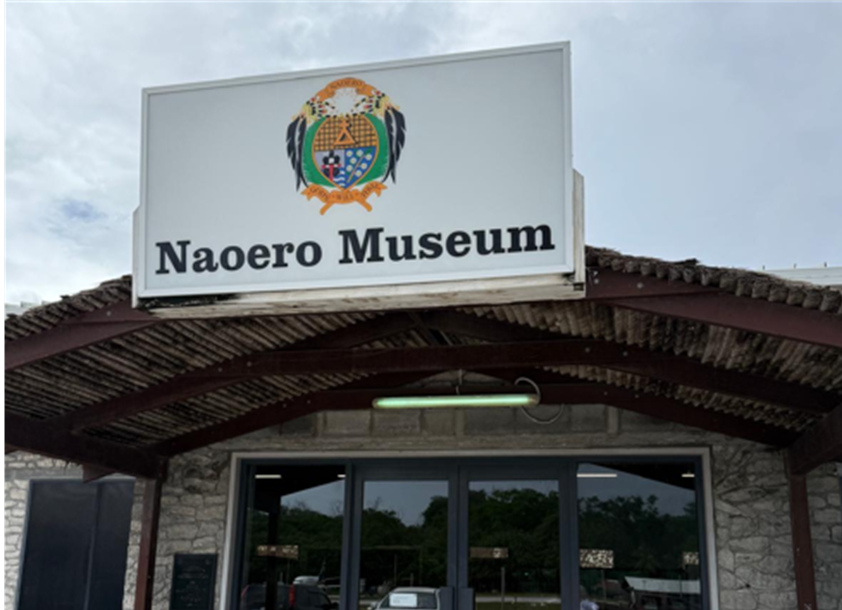
The change also left a unique linguistic detail: “Nauruan,” the demonym for its people, is the only palindromic national demonym in the world, spelled the same forwards and backwards!
European encounters also shaped the island’s naming history. In 1798, British sea captain John Fearn became the first recorded Westerner to sight the island, calling it “Pleasant Island” for its ‘pleasant’ appearance from the sea. Though the name didn’t endure, it reflects how early influences from outsiders shaped the way the island was described internationally.
Today, the discussion around restoring Naoero highlights the island’s enduring cultural identity. The proposed change would honour the Indigenous language, reconnect Nauruans with centuries of history, and present the nation’s story to the world in a way that celebrates both heritage and pride.