The Living Language of Nauru
In Nauru, the national language – dorerin Naoero – is more than communication, it is identity. With a population of just over 12,500 people, Nauruan is spoken by around 95% of the population, keeping it firmly alive in homes, schools, and everyday conversation.
What sets Nauruan apart is not just its size, but its mystery. While it is generally grouped within the Micronesian language region, linguists have never been able to firmly link it to a clear linguistic relative. This has made it both fascinating and challenging for researchers trying to understand how it developed.
This complexity is captured in the work of linguist Geoffrey Nathan, who studied Nauruan in the 1970s. He described it as one of the most difficult languages he had ever encountered, noting that some of its sounds were so unusual they could not be clearly analysed or reproduced. This highlights that Nauruan is something truly special to Nauru, a language that reflects the island’s identity and is unlike anything else in the world.
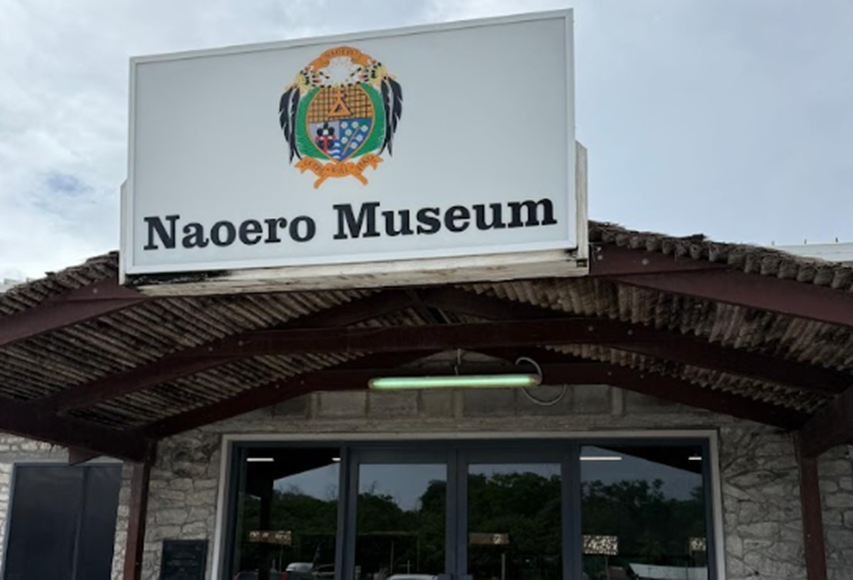
Beyond its academic interest, Nauruan has a distinct emotional and cultural sound. It is often described as soft, flowing, and vowel-rich, with expressions that carry meaning shaped by local context. Simple words like “óyó” (hello) and “tubwa” (thank you) are small phrases that carry a strong sense of connection and respect, especially when attempted by a visitor!
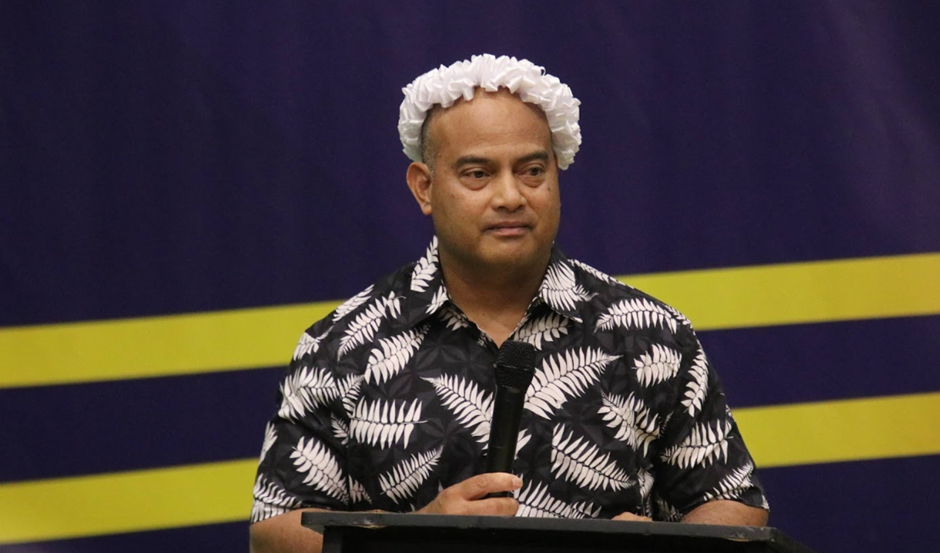
Preserving the language is now a national focus. David Adeang, the President of Nauru, has supported efforts such as establishing the Nauru Language Committee and strengthening cultural initiatives that protect and promote Indigenous identity. He has also proposed changing the country’s traditional name to ‘Naoero’, reinforcing the importance of language in national pride and recognition.
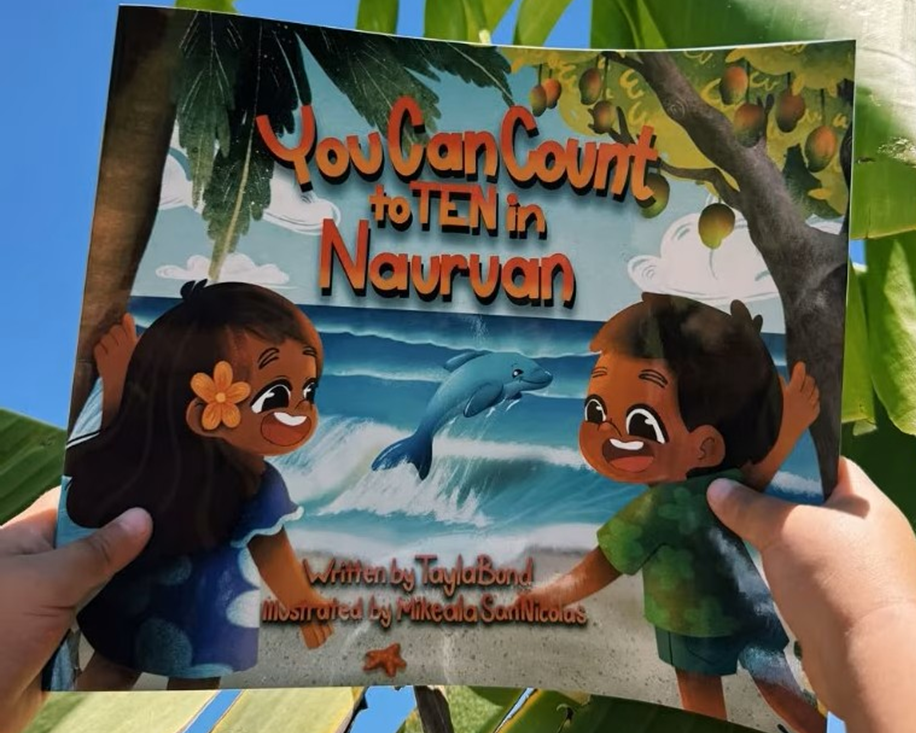
At the community level, preservation is becoming more visible. Tayla Bond has written ‘You Can Count to Ten in Nauruan’, the first and only children’s book in the language. Tayla wants children and even adults who read her book to know, “we are our own country, we do have our own unique culture, and our own language.” It is a powerful milestone, helping ensure children see and hear their language in written form in everyday storytelling.
Ultimately, Nauruan is special not just because of how many people speak it, but because of how deeply it belongs to them. It is a language that has carried a nation’s identity across generations and continues to do so.