Currency on the Reef Nation: Money and Trade in Nauru
Nauru’s story isn’t only told through culture, community and sporting legends. It is also written in dollars and deals, booms and hard resets.
This reef nation in the Pacific has lived through one of the most dramatic economic arcs on the planet: sudden wealth, near collapse, and a determined push towards reinvention.To understand Nauru today, you need to understand how money moves on the island and how it survives, adapts and trades its way through a global economy that rarely plays small.
Aussie dollars, island style
One of the first things that surprises visitors is that Nauru doesn’t have its own currency. Instead, it uses the Australian dollar, the same notes and coins you’d carry in Sydney or Melbourne.
There is no Nauruan mint, no central bank issuing money. What Nauru does have is stability, a trusted currency, no exchange-rate shocks, and seamless trade with its biggest partner, Australia.
Nauru isn’t cash starved as ATMs operate across the island, including at the airport and major shops. Day to day life is still significantly cash based although credit card use is become more common. For a country of just over 10,000 people, simplicity matters, and this system works.
Phosphate
For most of the 20th century, Nauru’s economy rested on one extraordinary resource: phosphate. Discovered around 1900, the island’s phosphate deposits were so rich that for decades, Nauru became one of the world’s most important fertiliser suppliers.
After independence in 1968 and full control of mining in 1970, the wealth flowed fast. By the late 1970s and 1980s, Nauru ranked among the richest nations per capita anywhere. Infrastructure boomed. Taxes didn’t exist. Government services were fully funded by mining royalties, and overseas investments piled up. For many Nauruans, paid employment was optional. It was prosperity on a scale few small nations have ever known.
The crash that changed everything
But phosphate is finite, and by the 1990s, the main deposits were almost gone. Revenue collapsed and by the early 2000s, Nauru faced bankruptcy, failing services, and an island interior left largely unusable by decades of mining.
Overnight, the country went from global outlier success story to cautionary tale, “riches to rags” became shorthand for its experience.
Reinvention, the Nauruan way
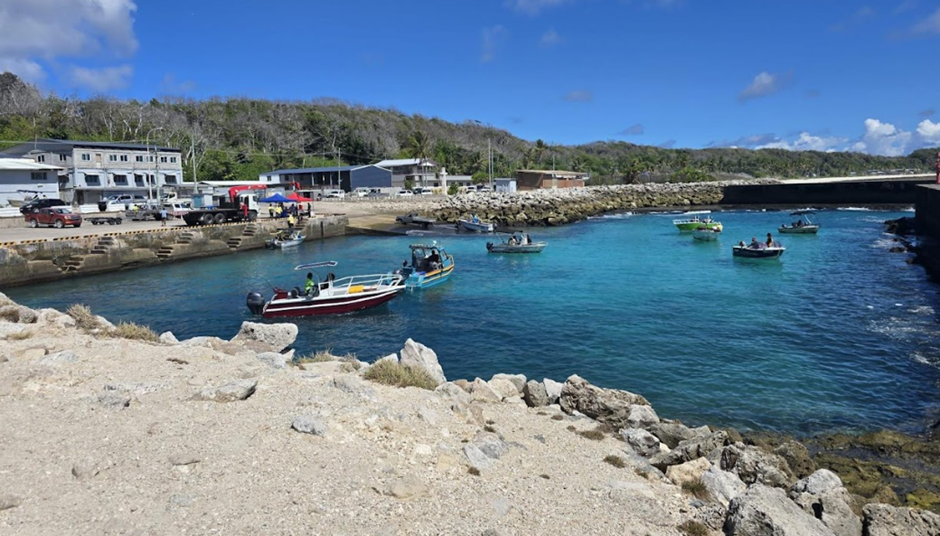
With traditional income gone, more durable solutions followed. Fishing licences became a cornerstone of income, with tuna passing through Nauru’s vast ocean territory now generating millions each year. The country also leaned into niche revenue streams, small scale exports, and even its national internet domain.Another major economic pillar emerged through Australia’s regional processing centre. While politically sensitive in Australia, the partnership provided Nauru with jobs, infrastructure funding and vital government revenue during some of its most difficult years. Even as the centre has scaled back, Australian development assistance remains central to the island’s economy.
Imports
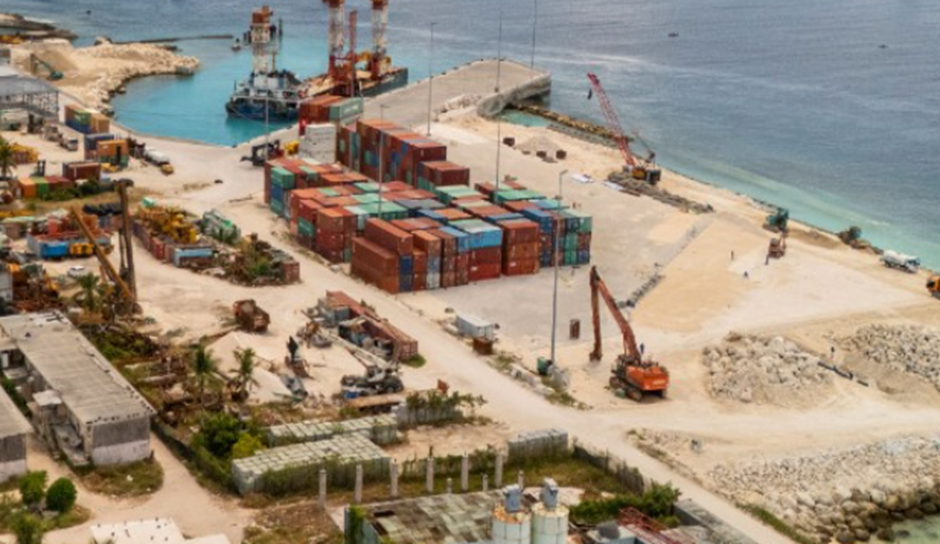
Nauru imports almost everything it uses: food, fuel, vehicles and building materials, with Australia supplying the vast majority. Exports today are limited to small amounts of phosphate, niche marine products, and minor secondary industries. The trade gap is covered through fishing income, aid, service contracts and overseas partnerships.Notably, Nauru still has no personal income tax and no general sales tax although there is a small company tax.
Government revenue relies on external sources, selective import duties, and service fees, a model that keeps daily life simple but ties the country closely to international relationships.
Looking ahead
In recent years, Nauru has taken steps to avoid repeating past mistakes. A new intergenerational trust fund is growing steadily, designed to provide long term security rather than short term splurges. In 2025 the fund was worth more than $400 million and was exceeding its targets. Secondary phosphate mining has extended the industry’s lifespan, buying time for diversification.

At the same time, Nauru is looking outward, from improved air links and port infrastructure to bold plays in emerging sectors like deep sea mining. It is also exploring modest tourism, digital services and investment opportunities.
Big lessons
Nauru’s economic journey is dramatic, cautionary and quietly impressive. Few countries have experienced such extreme highs and lows and fewer still have managed to adapt as persistently.
A willingness to rethink, recalibrate and try again continues to shape the island’s future. For observers, investors and policymakers alike, Nauru offers rare insights into resource management and reinvention. As the world enters 2026, this small reef nation remains something unexpected! A small economic laboratory with big ideas and a future still very much in motion.