What Nauruans Wish the World Knew About Them
There is more to Nauru than meets the eye. If you ask Nauruans, they’ll tell you they’re proud of who they are and they have a few things they wish everyone knew about their island home. Let’s set the record straight with insights straight out of Naoero (that’s “Nauru” in the Nauruan language)
“Ekamowir Omo!” We have our own language
One of the first things Nauruans wish you knew is that they speak a distinct language not spoken anywhere else. Nauruan (or dorerin Naoero) is the national language, and about 96% of ethnic Nauruans speak it at home. It is a unique Micronesian tongue with only around 6,000 native speakers, full of sweet toned vowels and local idioms. Don’t worry! English is also widely understood, but nothing warms a Nauruan heart more than a visitor saying “óyó” (hello) or “tubwa” (thank you) in Nauruan. This proud linguistic heritage is a huge part of Nauru’s identity.
Sports are in our DNA
If you think small island nations can’t be sports crazy, think again! Nauru lives and breathes sports. The national obsession is Australian Rules football – yes, the Aussie game with big hits and high flying marks. Nauru is the only country outside Australia where AFL is the number one sport, with roughly a third of the population (men and women) playing in local leagues. Come game day at Linkbelt Oval, the whole island buzzes.
Then there is weightlifting, where Nauru has produced world class champions. It is no coincidence their biggest international sports hero, Marcus Stephen, was a weightlifter who won seven Commonwealth gold medals and later became President! Nauruans are very proud of their athletes. From powerlifters to footy stars, they punch well above their weight (pun intended). So, the next time you meet a Nauruan, try asking which footy team they support or even better, how much they can bench, you’ll have a friend for life!
We cherish our traditions
Nauruans wish more people knew that behind their modern facade, they have rich indigenous traditions and history. Their culture has deep roots! Nauruans still perform traditional rhythmic songs and dances called eedug at celebrations. During village gatherings or on Angam Day, you might see women in colourful dresses gracefully dancing to ancient chants that have been passed down for centuries. Nauru was settled by their ancestors over 3,000 years ago, and they haven’t forgotten where they come from. Even after colonial times brought Western influences (Nauru was once called Pleasant Island by the British), they hold onto what makes them Nauruan.
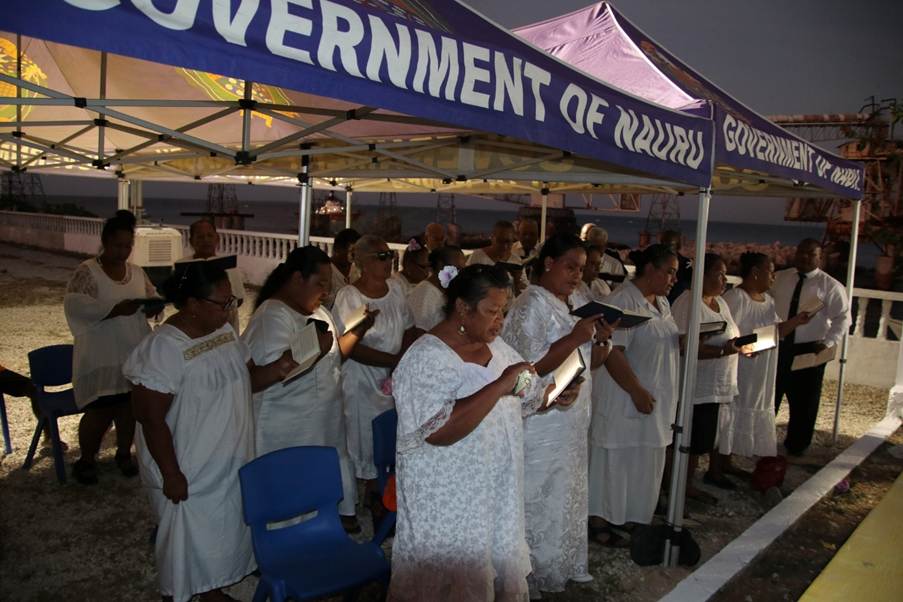
Angam Day, celebrated every October 26, is a one of a kind Nauruan holiday marking the survival of its people against all odds (twice in history the population fell perilously low, but rebounded). They might be modern and mostly Christian today, but Nauruan soul, the language, dances and communal way of life remain strong.
We’ve overcome
Nauruans want you to know how resourceful they are. Their grandparents lived through World War II, when Nauru was occupied and bombarded, and a third of the population was deported (many never made it home). Yet Nauru endured and rebuilt. Later, when the phosphate that made them rich was depleted and the economy crashed in the 1990s, they didn’t give up. Families adapted, fishing more, growing kitchen gardens, and yes, tightening belts to get through the tough times.
Nauruans have a saying: “Itubo kor,” it means “never mind, keep going.” No matter what history has thrown at the nation - colonisation, environmental damage, global isolation - the island nation always perseveres and make the best of the situation. That is at the core of being Nauruan.
Nauru is home
Perhaps most of all, Nauruans want the world to know that their island is a beloved home. Ask a Nauruan what defines Nauru, and you’ll hear: family, church, the sound of the waves on Anibare Bay, kids playing barefoot until sunset, neighbours sharing their catch of the day, the flag with the star that represents 12 tribes, and a sense of humour that stays upbeat through anything.
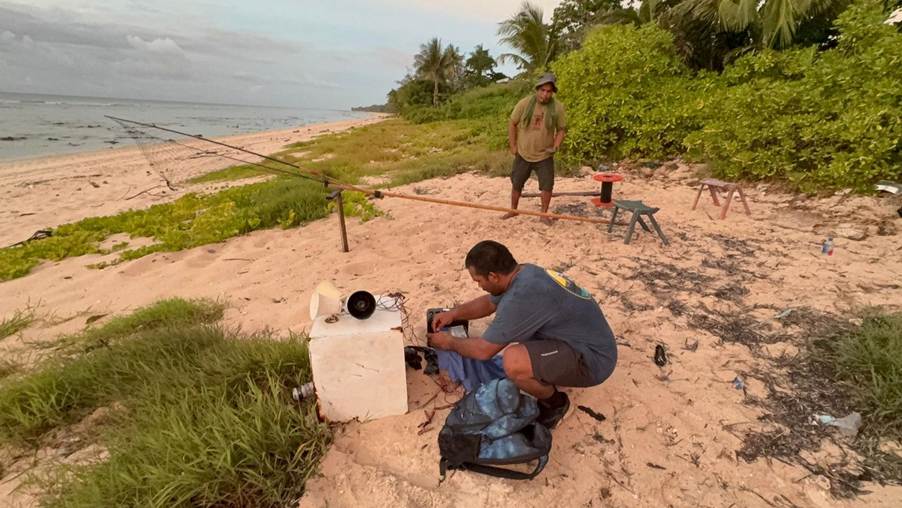
Nauru has beauty just like any other homeland, from the limestone caves, to the reef, to the simple joy of gathering for barbecues by the beach on weekends. It is a place where everyone is connected.
So, while outsiders might see only a tiny speck in the ocean, Nauruans see the centre of our universe. See Nauru not just for its headlines but for its heart.