Nauru’s Natural Hidden Gems
When people picture a Pacific island, they often imagine palm-fringed beaches and turquoise water. But Nauru offers something different – a landscape shaped by time, resilience, and striking natural contrasts. Dramatic limestone formations rise from the island’s interior, birdlife thrives along coastlines, and beneath the surface lie geological features that tell stories of both environmental change and endurance.
Beneath the surface: Moqua Caves
Hidden underground is one of the island’s most fascinating natural features: the Moqua Caves, home to the legendary Moqua Well. Formed over thousands of years through the gradual erosion of limestone, this network of tunnels and chambers reflects the island’s unique geological history.
At the centre of the cave system sits the Moqua Well, a clear freshwater pool concealed deep within the cave. In a country with almost no rivers or streams, this underground water source once played an essential role for local communities. Local guides often share the cultural and historical importance of the site, explaining how it supported Nauruan survival during the Second World War. More than a geological feature, it represents resourcefulness, heritage, and the enduring connection between the land and its people. Today, it remains one of Nauru’s most beautiful natural landmarks.
Reaching the well requires navigating narrow, dimly lit passages before arriving at a chamber where light catches the still water below. The cave walls expose rugged limestone surfaces and mineral formations that have developed slowly over centuries.
Buada Lagoon: Nauru’s lush inland oasis
Despite its lack of flowing rivers, Nauru is home to a rare inland feature, the Buada Lagoon.
Surrounded by palms and vegetation in Buada district, this lagoon has traditionally supported aquaculture, particularly milkfish farming. In a landscape where freshwater is scarce, Buada Lagoon reflects resourcefulness and resilience.
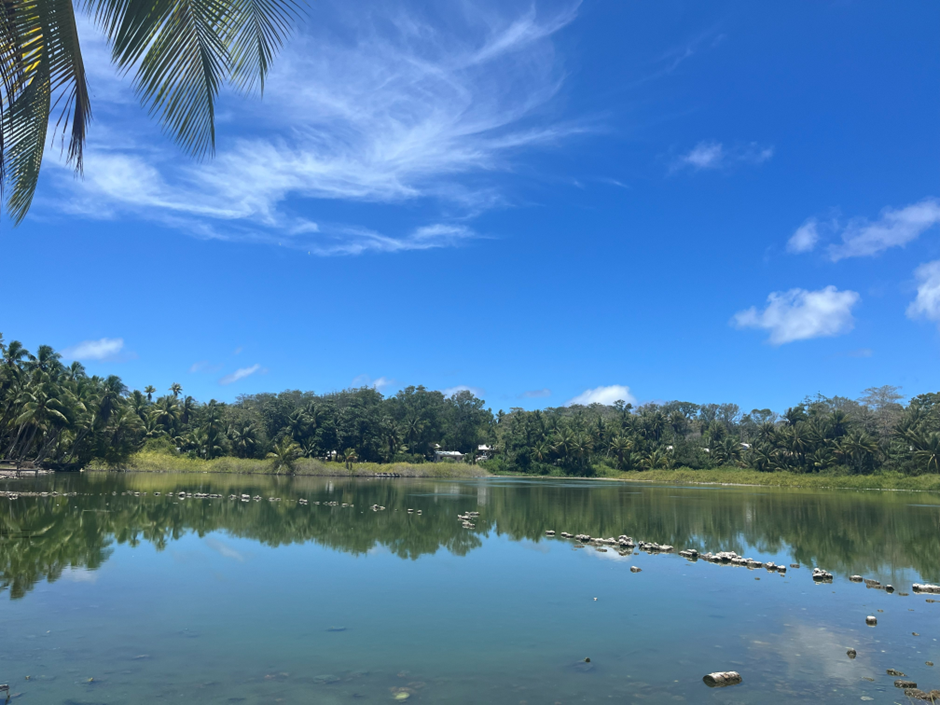
The lagoon provides a striking contrast to the island’s limestone interior and coastal cliffs. Its calm waters and surrounding greenery highlight the diversity of Nauru’s landscape, revealing another layer of the island’s natural character.
From Phosphate to Pinnacles
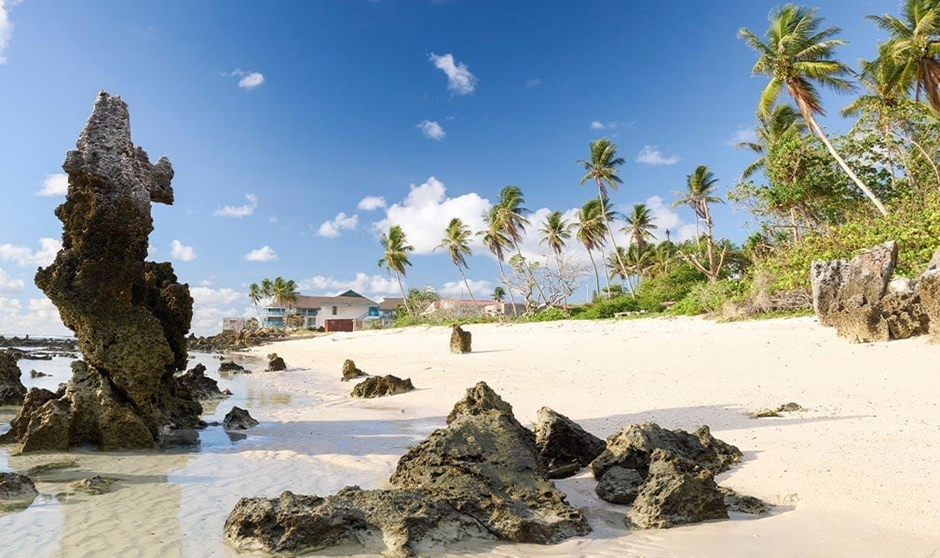
Nauru’s coastline is lined with dramatic limestone formations that tell a story of both natural processes and human history. Jagged pinnacles rise sharply from the edge of the island, sculpted over millennia by waves, wind, and mineral-rich water. These formations are remnants of Nauru’s once-booming phosphate mining industry. Mining operations extracted phosphate from between the island’s rock pinnacles, shaping its economy for decades. What was once industrial land has now transformed into a striking geological wonder.
A guided visit through the area reveals both the natural origins of the limestone and the economic history tied to phosphate mining. For budding photographers and tourists, it’s one of the most unique landscapes in the Pacific – raw, dramatic, and symbolic of the island’s resilience.
Inland Trails and Elevated Views
Beyond the coastline, Nauru’s inland trails offer quiet adventure. Paths wind through elevated terrain, leading to lookout points where visitors can see the ocean encircling the island in every direction. These lesser-known routes provide insight into the island’s layered terrain, from reclaimed land to pockets of vegetation.Hiking inland reveals just how diverse Nauru’s landscape truly is, despite its small footprint.
A Haven for Rare Birdlife
Nauru holds notable ecological importance, particularly for its birdlife. Most remarkable is the Nauru Reed Warbler, the island’s only endemic bird, found nowhere else in the world, highlighting Nauru’s unique biodiversity. Along the rugged coastal cliffs, the Great Frigatebird is among the most striking, recognised for its long wingspan. Nauru sits along key migratory routes across the Pacific, and frigatebirds are frequently seen seasonally as they travel vast distances between breeding and feeding grounds. During breeding periods, males are known for their distinctive red throat pouches, inflated to attract mates. Sharing the cliffs are colonies of Brown Noddy and Black Noddy birds, nesting on rocky ledges and coastal vegetation. Their presence reflects the productivity of surrounding marine ecosystems, as these seabirds depend on healthy offshore fish populations.
Nauru’s charm lies in its quiet surprises and enduring character. Every step across the island offers a sense of discovery, showing that even the smallest places can hold extraordinary beauty and hidden gems.